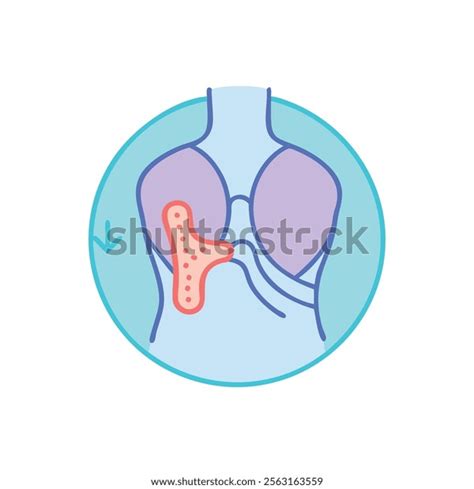
Unlocking Coracoid Anatomy: Your Guide to Shoulder Health Guys, have you ever felt a twinge in your shoulder and wondered what exactly is going on in there? Our shoulders are incredibly complex, and a tiny, often overlooked bone called the
coracoid process
plays a surprisingly huge role in keeping everything stable and moving smoothly. When we talk about
coracoid anatomy
, we’re diving into the nitty-gritty of one of the shoulder’s unsung heroes. This little hook-like projection, sticking out from your shoulder blade, or
scapula
, is absolutely essential for a strong, functional shoulder. It acts as an anchor point for numerous muscles and ligaments, basically holding your arm in place and allowing for that incredible range of motion we often take for granted. Understanding the basics of what the coracoid is, where it sits, and why it’s important can really help you appreciate the intricate design of your own body and perhaps even prevent future ouchies. We’re going to break down all the complex medical jargon into easy-to-understand language, focusing on
high-quality content
that provides real value. So, whether you’re an athlete, someone dealing with shoulder pain, or just curious about your body, stick around! We’ll explore everything from its exact location and structure to the critical functions it performs, and even dive into common problems and how to keep this vital part of your shoulder healthy. Think of this as your friendly guide to mastering
coracoid anatomy
, making sense of a topic that might seem intimidating at first glance. It’s all about empowering you with knowledge, ensuring you know how to give your shoulders the care they deserve. This journey into the
shoulder’s mechanics
will illuminate why the coracoid, despite its size, is such a powerhouse of stability and movement. Getting a good grasp on this tiny yet mighty bone is the first step towards truly understanding your
shoulder health
and
preventative care
. So, let’s get ready to unlock the secrets of this fascinating anatomical structure and equip ourselves with the insights needed to maintain robust
shoulder function
for years to come. This isn’t just a dry anatomical lecture, guys; it’s a conversation about
your body
and how to keep it in tip-top shape. ## What Exactly is the Coracoid Process? Alright, let’s get down to brass tacks and really define
what exactly the coracoid process is
. Imagine your shoulder blade, that big, flat, triangular bone on your back called the
scapula
. Now, picture a small, curved, hook-like projection extending forward and laterally from the upper, anterior part of this scapula. That, my friends, is our star of the show: the
coracoid process
. Its name, “coracoid,” actually comes from the Greek word
korax
, meaning “raven,” because its shape is said to resemble a raven’s beak – pretty cool, right? This isn’t just some random bone hanging out; it’s a critical component of your
shoulder anatomy
. It’s positioned just below the clavicle (collarbone) and points towards the front of your body, making it surprisingly accessible if you know where to feel for it. Try this: if you feel just below the outer part of your collarbone, you might be able to palpate a bony bump – that’s often the tip of the coracoid process. Its strategic location makes it a central hub for various structures. Functionally, the
coracoid process
serves as a crucial attachment site for a whole host of muscles, tendons, and ligaments that are absolutely vital for the stability and movement of your entire shoulder girdle. Without this little projection, your shoulder wouldn’t have the robust anchoring it needs. It’s not just a passive structure; it’s dynamically involved in every arm movement, from reaching overhead to lifting groceries. Understanding
coracoid anatomy
means appreciating its precise position and how it integrates with other bones and soft tissues. It forms an important part of the
coracoacromial arch
, which is a bony and ligamentous arch that helps protect the rotator cuff tendons as they pass underneath it. This arch is often a key player in conditions like shoulder impingement, which we’ll talk about later. So, when you hear about the
scapula
or
shoulder blade
, remember that the coracoid is a distinct, projecting part of it, providing essential scaffolding. It’s a testament to how even the smaller bones in our body have massive roles to play in overall
skeletal function
and
joint integrity
. This deep dive into its structure really underscores its significance. So next time you move your arm, give a little nod to your
coracoid process
, silently doing its job to keep your shoulder strong and stable. It truly is a fascinating piece of
human anatomy
. ## The Coracoid Process’s Crucial Role in Shoulder Stability and Function When we talk about
shoulder stability
and
overall function
, the
coracoid process
isn’t just a passive bony hook; it’s an incredibly active and crucial player, guys. This little projection is an absolute powerhouse when it comes to anchoring and providing leverage for some of the most important muscles and ligaments that stabilize and move your shoulder joint. Think of it as a central docking station where several key structures connect, forming a robust network that keeps your arm connected to your torso and allows for its extraordinary range of motion. First off, let’s talk
muscles
. Three primary muscles originate or insert onto the coracoid process, making it a vital component in their function. You’ve got the
coracobrachialis
muscle, which originates from the coracoid process and inserts into the middle of the humerus (your upper arm bone). This muscle is super important for flexing and adducting your arm at the shoulder – basically, pulling your arm forward and towards your body. Then there’s the
short head of the biceps brachii
(yes, one of the two heads of your famous biceps muscle!), which also originates from the coracoid. This part of the biceps helps with arm flexion and supination (rotating your forearm so your palm faces up). Finally, the
pectoralis minor
muscle, which is a thin, triangular muscle, inserts onto the coracoid process. This muscle plays a role in stabilizing the scapula by pulling it downwards and forwards, and also assists in forced inhalation. So, as you can see, the
coracoid muscles
are directly involved in a wide array of arm and shoulder movements. Beyond muscles, the coracoid is also an essential
ligament attachment
site. Several strong ligaments connect to it, forming critical links that bind the scapula to other bones and provide passive stability to the shoulder. The most prominent of these are the
coracoclavicular ligaments
(trapezoid and conoid ligaments), which connect the coracoid process to the clavicle (collarbone). These ligaments are absolutely vital for maintaining the integrity of the acromioclavicular (AC) joint and preventing excessive superior displacement of the clavicle, especially when you’re lifting heavy things or experiencing a fall. Damage to these ligaments, often seen in AC joint separations, can severely compromise
shoulder stability
. Additionally, the
coracoacromial ligament
extends from the coracoid process to the acromion (another part of the scapula that forms the “roof” of your shoulder). This ligament forms part of the
coracoacromial arch
, which acts as a protective ceiling over the rotator cuff tendons and the subacromial bursa. While protective, sometimes this arch can become a source of impingement, restricting movement. Finally, the
coracohumeral ligament
and part of the
glenohumeral ligaments
also have indirect connections or influence due to their proximity, further contributing to the overall stability of the glenohumeral (shoulder) joint itself. So, when you combine these powerful muscle attachments with these crucial
ligament attachments
, it becomes incredibly clear why the coracoid process is so fundamental to both the dynamic movement and the static stability of your entire
shoulder girdle
. Its position makes it a mechanical advantage for force transmission and joint integrity, allowing us to perform complex movements with both power and precision. Truly, its role in
shoulder function
cannot be overstated. ## Common Issues and Injuries Involving the Coracoid Now that we’ve really explored the incredible importance of the coracoid process, it’s time to talk about what happens when things go wrong. Guys, despite its robust nature and critical role in
shoulder stability
, the
coracoid process
can definitely be involved in a variety of
shoulder injury
issues and conditions that cause pain and limit movement. Understanding these common problems is key to recognizing symptoms and seeking appropriate help for
coracoid pain
. One of the most prevalent issues indirectly involving the coracoid is
shoulder impingement syndrome
. While the coracoid itself isn’t usually the primary source of impingement, the
coracoacromial arch
, which includes the coracoid, the coracoacromial ligament, and the acromion, can contribute significantly to this condition. Impingement happens when the rotator cuff tendons or the bursa (a fluid-filled sac that reduces friction) get pinched or squeezed between the humeral head and this arch during arm movements, especially overhead activities. If there’s an abnormal shape to the coracoid or issues with the coracoacromial ligament, it can reduce the space, leading to
coracoid impingement
symptoms like pain, weakness, and limited range of motion. Think of it like a crowded doorway; if the doorframe (the arch) is too small or the door itself (the rotator cuff) is swollen, things get jammed. Another potential problem is
coracoid process fracture
. While relatively rare compared to other shoulder fractures, they can occur, often due to direct trauma to the shoulder or forceful muscle contractions (avulsion fractures, where a tendon or ligament pulls off a piece of bone). Given that the coracoid is an attachment site for several powerful muscles and ligaments, severe forces can sometimes lead to a break. Symptoms typically include acute, sharp
coracoid pain
, swelling, bruising, and tenderness over the coracoid, making it difficult to move the arm. Because of its protected position, these fractures are often associated with other, more serious shoulder girdle injuries. We also need to consider
tendinopathy
or
tendonitis
affecting the muscles attached to the coracoid. For instance, overuse or repetitive strain can lead to
coracobrachialis tendonitis
or
biceps tendonitis
(specifically the short head), causing localized pain at the coracoid attachment site. This pain often worsens with specific arm movements, like flexing the arm or resisting movement. Inflammation around the
coracoid attachments
can be quite uncomfortable and limit daily activities. Furthermore, problems with the
coracoclavicular ligaments
can be a major source of shoulder instability. As mentioned earlier, these ligaments are crucial for the AC joint. A fall directly onto the shoulder can sprain or tear these ligaments, leading to an
AC joint separation
. Depending on the severity, this can cause significant pain, a visible bump on top of the shoulder, and substantial loss of
shoulder function
. While not directly a coracoid injury, the coracoid is the anchor point for these vital stabilizers. Lastly, though less common, other conditions like
osteolysis
(bone resorption) of the coracoid or the development of
osteochondromas
(benign bone tumors) can also cause
coracoid pain
or symptoms, usually discovered through imaging. In essence, any disruption to the intricate network of bones, muscles, and ligaments connected to or surrounding the
coracoid process
can lead to pain and dysfunction, making a proper diagnosis crucial for effective treatment. So, paying attention to your body’s signals and understanding the potential culprits behind
shoulder pain
is incredibly important, guys. ## Diagnosing Coracoid-Related Problems: What to Expect Alright, guys, if you’re experiencing
coracoid pain
or other shoulder issues, figuring out what’s actually going on is the first crucial step towards feeling better. Diagnosing
coracoid-related problems
isn’t always straightforward, as many shoulder conditions can present with similar symptoms. However, a good doctor or physical therapist will have a systematic approach to get to the bottom of it. So,
what to expect
during a diagnostic process? It typically starts with a thorough
physical examination
and a detailed discussion of your medical history. Your healthcare provider will ask you about your symptoms: when did the pain start? What movements make it worse? Is there any weakness, numbness, or tingling? Have you had any recent injuries or falls? They’ll want to know about your daily activities, your occupation, and any sports you play, as repetitive motions or specific demands can often be a culprit. During the physical exam, the doctor will meticulously assess your
shoulder range of motion
(both active, where you move your arm, and passive, where they move it for you). They’ll look for any visible deformities, swelling, or bruising. Palpation, which means gently feeling around your shoulder, including the area of the
coracoid process
, will help them pinpoint tenderness or abnormalities. They’ll also perform a series of special orthopedic tests designed to stress specific structures like the rotator cuff, biceps tendon, or AC joint. For instance, tests like the “coracoid impingement test” might be used to specifically assess if the coracoid itself or the structures around it are causing impingement. These tests, while sometimes a bit uncomfortable, are invaluable for narrowing down the potential sources of pain and
shoulder dysfunction
. Following the physical exam, if the diagnosis isn’t immediately clear or if there’s suspicion of a fracture or more severe soft tissue damage,
imaging studies
are usually the next step. *
X-rays
are often the first line of
coracoid diagnosis
. They are excellent for visualizing bones and can detect fractures of the coracoid process, the scapula, or the clavicle, as well as arthritic changes or bone spurs that might be contributing to impingement. While X-rays don’t show soft tissues like tendons or ligaments, they provide a great overview of the bony architecture. *
Magnetic Resonance Imaging (MRI)
is a much more detailed
shoulder imaging
technique. An MRI scan can provide incredibly clear images of soft tissues, including muscles, tendons (like the coracobrachialis or biceps tendons), ligaments (like the coracoclavicular ligaments), cartilage, and bursae. It’s often used to diagnose tendon tears (like rotator cuff tears or biceps tendon tears at the coracoid attachment), inflammation (tendinopathy or bursitis), and ligament sprains or ruptures. For subtle
coracoid fractures
or bone marrow edema, an MRI is far superior to X-rays. *
Computed Tomography (CT) scans
might be used in specific cases, particularly if there’s a complex fracture of the scapula or coracoid that needs more precise bony detail than an X-ray can offer, especially for surgical planning. * Sometimes, an
ultrasound
might be used to get real-time imaging of soft tissues and check for inflammation or fluid accumulation around the
coracoid attachments
. Your doctor might also consider
diagnostic injections
. This involves injecting a local anesthetic and/or corticosteroid into a specific area (like the subacromial space or around the coracoid tip) to see if it alleviates the pain. If the pain goes away temporarily, it helps confirm that the injected area is indeed the source of the problem. All these diagnostic tools, combined with a thorough clinical assessment, help piece together the puzzle and lead to an accurate diagnosis, paving the way for an effective treatment plan for your
shoulder injury
or discomfort. So, don’t be shy about asking questions and making sure you understand each step of your
coracoid diagnosis
process! ## Keeping Your Coracoid Healthy: Prevention and Care Tips Alright, guys, we’ve talked about what the coracoid is, why it’s so important for
shoulder stability
, and what kind of trouble it can get into. Now, let’s shift gears to the good stuff:
keeping your coracoid healthy
and your shoulders feeling fantastic! Prevention is always better than cure, right? So, here are some actionable
prevention and care tips
to maintain optimal
shoulder health
and keep those coracoid-related issues at bay. First and foremost,
proper posture and ergonomics
are absolutely paramount. In our modern world, many of us spend hours hunched over computers or phones, which can lead to a forward-rounded shoulder posture. This bad posture can subtly alter the mechanics of your shoulder, potentially narrowing the subacromial space and increasing the risk of impingement around the
coracoacromial arch
. Make a conscious effort to sit and stand tall, with your shoulders back and down, and your chest open. Ensure your workspace is set up ergonomically, with your monitor at eye level and your keyboard and mouse positioned so your elbows are at a 90-degree angle. Good posture helps maintain optimal
shoulder alignment
and reduces unnecessary stress on all those crucial
coracoid attachments
. Next up,
strengthening and flexibility exercises
are your best friends. A balanced exercise routine that targets all the muscles surrounding the shoulder joint, not just the “mirror muscles” (like the big chest and front deltoid muscles), is key. Focus on strengthening the
rotator cuff muscles
(supraspinatus, infraspinatus, teres minor, subscapularis), which are critical for dynamic
shoulder stability
. Incorporate exercises like external rotations, internal rotations, and scapular retractions (pulling your shoulder blades back and down). Don’t forget the muscles that attach to the coracoid, such as the
coracobrachialis
and
biceps
. While you don’t specifically isolate the coracoid itself, strengthening these muscles within a balanced program helps support the entire joint. Flexibility is just as important. Regular stretching to maintain good range of motion in your shoulder and thoracic spine (upper back) can prevent stiffness and improve overall mechanics. Think about gentle arm circles, door frame stretches for your chest, and light stretches for your neck and upper back. This holistic approach to
coracoid exercises
creates a resilient and well-supported shoulder. Also,
listening to your body
is incredibly vital. Don’t push through pain, guys. If you feel a sharp twinge or persistent ache in your shoulder, especially with certain movements, it’s a sign that something might be off. Ignoring pain often leads to more significant injuries. Take a break, modify your activity, or seek professional advice. Early intervention can prevent minor issues from becoming chronic problems or severe
shoulder injuries
. When lifting heavy objects,
use proper lifting techniques
, engaging your legs and core, and keeping the load close to your body. Avoid sudden, jerky movements, especially with your arms extended, as these can put undue stress on the
coracoclavicular ligaments
and other
ligament attachments
. If you participate in sports that involve repetitive overhead movements (like tennis, baseball, or swimming), ensure you have proper technique and gradually increase your training intensity and volume. Cross-training and incorporating rest days are also crucial for
preventing shoulder injuries
from overuse. Finally, don’t underestimate the power of
good nutrition and hydration
. A diet rich in anti-inflammatory foods, adequate protein for muscle repair, and plenty of water supports overall tissue health and recovery. Omega-3 fatty acids, for instance, are known for their anti-inflammatory properties, which can be beneficial for joint health. If you do experience a minor flare-up, consider rest, ice, and over-the-counter pain relievers as initial steps. However, for persistent
coracoid pain
or any significant
shoulder discomfort
, consulting a physical therapist or a doctor specializing in orthopedics is always the best course of action. They can provide a personalized plan, including specific
shoulder health tips
and exercises tailored to your needs. By proactively taking these steps, you’ll be giving your
coracoid process
and your entire shoulder the love and care it deserves, helping you stay active and pain-free for a long, long time! ## Conclusion So there you have it, guys – a deep dive into the fascinating world of
coracoid anatomy
! We’ve gone from understanding
what exactly the coracoid process is
, this small but mighty hook on your shoulder blade, to appreciating its absolutely
crucial role in shoulder stability and function
. We’ve explored how it serves as a vital anchor for key muscles like the
coracobrachialis
and
biceps
, and critical
ligament attachments
that keep your shoulder strong and secure. We also tackled the
common issues and injuries involving the coracoid
, from subtle
impingement syndrome
to more severe
coracoid process fractures
and
tendinopathies
, giving you a clearer picture of what might be causing
coracoid pain
. And importantly, we’ve walked through
diagnosing coracoid-related problems
, demystifying the process of physical exams and
imaging studies
like X-rays and MRIs. Finally, we wrapped things up with practical, actionable
prevention and care tips
for
keeping your coracoid healthy
, emphasizing good posture, balanced
coracoid exercises
, and listening to your body to ensure long-term
shoulder health
. This journey through
coracoid anatomy
really highlights how interconnected our bodies are and how even a seemingly small part can have an enormous impact on our overall well-being and ability to move freely. Your shoulder is a masterpiece of engineering, and the coracoid process is an integral, unsung hero in its design. We hope this article has provided you with valuable insights, helping you to better understand and care for your own shoulders. Remember, knowledge is power, especially when it comes to your health! If you ever experience persistent
shoulder discomfort
or suspect an injury, don’t hesitate to consult a healthcare professional. They are the best resource for personalized advice and treatment. Stay active, stay healthy, and keep those shoulders strong!
