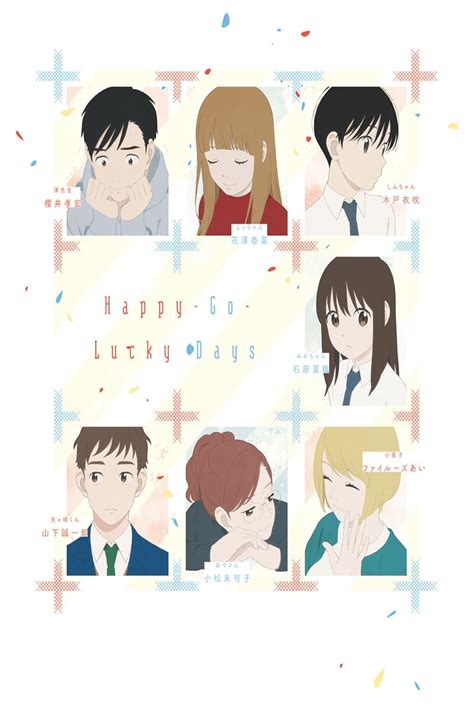
Happy-Go-Lucky Days: Your Essential Anime Film Guide\n\nHey there, anime fanatics and lovers of unique storytelling! Have you ever stumbled upon a film that just
gets
you, that explores the intricacies of human connection in such a gentle yet profound way? If not, then strap in, because we’re about to dive deep into
Happy-Go-Lucky Days
, or as it’s known in Japanese,
Dounika Naru Hibi
. This fantastic anime film isn’t your typical romance flick; it’s a beautifully crafted anthology that explores various facets of love, identity, and the everyday moments that shape our lives. Based on the manga by the incredibly talented
Takako Shimura
, known for her poignant and often bittersweet narratives (like
Wandering Son
and
Bloom Into You
), this movie brings together a collection of short stories, each a unique vignette of human relationships. It’s a truly special experience, offering a nuanced look at what it means to be in love, to fall out of love, or to navigate the complex emotions that arise when desires, expectations, and reality collide. The film masterfully weaves together several individual tales, sometimes subtly connected, other times standing entirely on their own, but always united by a common thread of exploring emotional honesty and the quiet, often unsaid truths between people. It delves into everything from the
blushing innocence of first love
to the
complexities of rekindled relationships
and the
tender awkwardness of unrequited affection
. Each story is a little world unto itself, complete with its own set of characters and emotional arcs, yet together they form a rich tapestry that celebrates the myriad forms of human connection. It’s a film that resonates because it touches upon feelings we’ve all experienced – the joy, the pain, the uncertainty, and the profound beauty of simply existing alongside others. For anyone looking for an anime film that offers more than just superficial romance, one that truly delves into the
heart of human experience
with a casual, friendly, and deeply empathetic lens, then
Happy-Go-Lucky Days
is an absolute must-watch that promises to leave you contemplating its stories long after the credits roll. It’s truly a
gem
in the slice-of-life romance genre, standing out with its thoughtful exploration of universal themes.\n\n## Unraveling the Intertwined Narratives: The Anthology’s Charm\n\nSo, what makes
Happy-Go-Lucky Days
truly stand out in the vast ocean of anime films, guys? It’s all about its captivating structure, which is a brilliant anthology format that allows us to peek into multiple, diverse relationship dynamics. Instead of following one linear love story, the film presents four distinct yet thematically linked chapters: ‘Ecstatic Days,’ ‘A Sunday Kind of Love,’ ‘The Culinary Arts,’ and ‘Happy-Go-Lucky Days.’ Each segment, while featuring its own set of characters and unique emotional dilemmas, contributes to a larger exploration of love’s many forms, often
defying conventional romantic tropes
and instead focusing on the messy, authentic, and sometimes melancholic reality of human connection. For instance, you’ll see stories of couples navigating the awkwardness of post-breakup encounters, friends grappling with
unspoken feelings
, and even moments of profound self-discovery sparked by interactions with others. The film excels in portraying the
nuances of emotion
– the silent glances, the hesitant touches, the words left unsaid – that often speak volumes more than grand declarations. It doesn’t shy away from the bittersweet aspects of love, acknowledging that not every story ends with a clear, happy resolution, but rather with an acceptance of complicated feelings and the beauty found within those complexities. This
thought-provoking approach
is what gives
Happy-Go-Lucky Days
its depth, inviting viewers to reflect on their own experiences with love and relationships. The way the stories are presented also builds a sense of intimacy; it feels like you’re being let in on
private moments
, given a window into the inner lives of these characters as they stumble through joy, confusion, and longing. It’s a refreshing change from highly dramatic narratives, instead favoring a more
grounded and realistic portrayal
of emotional journeys. This focus on the subtle emotional shifts and internal monologues creates a deeply personal viewing experience, making each story feel incredibly real and relatable. You’re not just watching characters; you’re
feeling
with them, understanding their predicaments, and perhaps even finding echoes of your own life within their tales. The film’s strength lies in its ability to take seemingly ordinary situations and infuse them with extraordinary emotional weight, making the everyday feel profound and significant. It’s a testament to the power of
slice-of-life storytelling
when executed with such care and empathy, allowing the audience to truly connect with the varied experiences of its charming cast. This commitment to portraying the
full spectrum of human emotion
within its anthology structure is why
Happy-Go-Lucky Days
leaves such a lasting impression on its viewers, encouraging deeper thought about the nature of love and companionship in all its unpredictable glory.\n\n## Characters That Feel Like Real People: Navigating Emotional Labyrinths\n\nAlright, let’s talk about the
heart and soul
of
Happy-Go-Lucky Days
: its characters. Seriously, guys, these aren’t just your typical anime archetypes; they feel like people you could know, friends you could hang out with, or even reflections of yourself. The film introduces us to a diverse cast across its interwoven stories, each character navigating their own emotional labyrinths with an almost
painfully relatable honesty
. We meet characters like
Ecchan
and
Ayumi
, two high school friends whose dynamic shifts when one’s feelings extend beyond platonic boundaries, exploring the awkward yet
tender complexities of unspoken affection
and the fear of disrupting a cherished friendship. Then there’s the married couple,
Shin
and
Yumi
, who find themselves in an unexpected encounter with Shin’s former high school crush, leading to a nuanced exploration of
nostalgia, regret, and the strength of current commitments
. These are not tales of grand gestures, but of the quiet, often internal struggles that define our relationships. Each character, regardless of their screen time, is given enough depth to feel fully realized, their motivations and insecurities laid bare for the audience to empathize with.
Takako Shimura’s
original character designs are beautifully preserved, giving everyone a distinct yet subtle charm that contributes to the film’s overall grounded aesthetic. What’s truly compelling is how the film allows these characters to be
imperfect
. They make mistakes, they hesitate, they feel confusion, and they often don’t have all the answers. This authenticity makes their emotional journeys incredibly impactful, as we witness them grappling with feelings that are universal:
the yearning for connection, the pang of unrequited love, the comfort of companionship, and the courage it takes to be vulnerable
. The film’s gentle pacing gives ample space for these character moments to breathe, allowing the audience to truly connect with their inner worlds. You’ll find yourself rooting for them, feeling their heartaches, and celebrating their small victories. Whether it’s the shy confessions, the
rekindling of old flames
, or the quiet strength found in everyday interactions, the characters in
Happy-Go-Lucky Days
are a masterclass in realistic portrayal. They remind us that love isn’t always fireworks and grand pronouncements; sometimes, it’s the quiet understanding, the shared silence, or the courageous act of simply being honest with another person, even when it’s terrifying. This commitment to depicting
genuine human experience
through its beautifully flawed characters is undeniably one of the film’s greatest strengths, making it a truly enriching and memorable watch for anyone who appreciates deeply personal storytelling.\n\n## The Art of Subtlety: Animation, Atmosphere, and Melodies\n\nWhen we talk about a film like
Happy-Go-Lucky Days
, it’s absolutely crucial to highlight its
gorgeous artistic execution
. Seriously, the visuals and sound design aren’t just background elements; they’re integral to how the film conveys its deeply intimate and subtle emotions. The animation, handled by
LIDENFILMS Kyoto Studio
, is a masterclass in understated elegance. It doesn’t rely on flashy action sequences or exaggerated expressions. Instead, it employs a
gentle, fluid style
that perfectly captures the mundane beauty of everyday life and the nuanced feelings of its characters. Think soft color palettes, meticulously detailed backgrounds that evoke a sense of quiet realism, and character designs that retain
Takako Shimura’s signature delicate lines
and expressive eyes. Each frame feels carefully composed, allowing the viewer to linger on the subtle shifts in a character’s gaze or the way light filters through a window, enhancing the overall melancholic yet hopeful atmosphere. The animators do an
incredible job
of conveying emotions not through words, but through body language, facial micro-expressions, and the overall mood set by the environment. This meticulous attention to visual detail creates an immersive experience, drawing you deeper into each character’s world. And let’s not forget the
soundtrack
, composed by the talented
koho
. It’s not overbearing; rather, it’s a beautifully melancholic and often whimsical score that perfectly complements the film’s emotional landscape. The music works in tandem with the visuals to
underscore feelings of longing, comfort, and bittersweet joy
, without ever feeling manipulative. Quiet piano melodies, gentle string arrangements, and ambient sounds are expertly woven throughout the narrative, enhancing the emotional impact of each scene and creating a truly immersive auditory experience. It’s the kind of soundtrack you might find yourself listening to long after watching the film, evoking those same
tender emotions and reflective moods
. The synergy between the animation, the use of light and shadow, and the perfectly pitched musical score is what elevates
Happy-Go-Lucky Days
from a simple collection of stories into a
poetic exploration of the human heart
. The direction by
Takuya Sato
(known for his work on
Kase-san and Morning Glories
) further refines this delicate balance, ensuring that every artistic choice serves the overarching goal of portraying genuine human emotion with grace and authenticity. It’s a testament to the power of animation to convey profound feelings through subtlety and artistry, making every viewing a truly
delightful and introspective journey
. This film truly demonstrates that sometimes, the most powerful stories are told with the softest voices and the most beautiful, unassuming artistry.\n\n## Beyond Just Romance: Deeper Meanings and Universal Truths\n\nWhile
Happy-Go-Lucky Days
might seem like a series of interconnected love stories on the surface, trust me, guys, it’s so much more than just romance. This film delves into some
profound themes
that resonate with universal human experiences, moving beyond the typical ‘will they, won’t they’ narrative to explore the deeper currents of identity, acceptance, and the complexities of human connection. One of the most prominent themes is
self-discovery and authenticity
. Many characters are grappling with who they are, who they want to be, and how their feelings align with societal expectations or personal anxieties. We see characters confront their own desires, sometimes realizing they’ve been suppressing their true selves or chasing after ideals that don’t quite fit. It’s about the courage to be honest with oneself, even when that honesty is uncomfortable or leads to unexpected paths. Another crucial theme is the
fluidity and ambiguity of relationships
. The film beautifully illustrates that love isn’t always neatly defined or easily categorized. It explores the blurred lines between friendship and romance, the lingering affections after a breakup, and the quiet comfort found in non-traditional bonds. This nuanced perspective challenges viewers to consider the many forms love can take, emphasizing that
human connections are rarely black and white
. Communication, or often the
lack thereof
, plays a significant role, too. Many of the emotional tensions arise from unspoken words, misunderstandings, or the fear of expressing true feelings. The film highlights how difficult it can be to articulate our deepest emotions and the impact that both spoken and unspoken communication has on our relationships. It’s a subtle reminder of the importance of genuine connection and honest dialogue. Moreover,
Happy-Go-Lucky Days
embraces the
bittersweet nature of life
. Not every story concludes with a perfectly tied bow, and some endings are left open-ended, reflecting the reality that life often presents us with unresolved feelings and ongoing journeys. This acceptance of imperfection and the beauty found within melancholy is a hallmark of
Takako Shimura’s
work and is wonderfully translated onto the screen. The film isn’t afraid to show the pain that comes with love, but it also celebrates the quiet joys and the enduring hope that emerges even in difficult circumstances. It’s about finding happiness not just in grand, sweeping moments, but in the
small, everyday interactions
that collectively form the rich tapestry of our lives. By tackling these deeper layers of human experience,
Happy-Go-Lucky Days
becomes a truly
thought-provoking and emotionally resonant film
, offering much more than just casual entertainment. It’s an invitation to reflect on our own lives, our relationships, and the beautiful, messy journey of being human. It’s truly a testament to the film’s ability to provide immense value beyond a simple narrative, encouraging viewers to look inward and appreciate the complex nuances of connection.\n\n## Why Happy-Go-Lucky Days Deserves a Spot on Your Watchlist\n\nIf you’ve made it this far, you’re probably wondering,
